
-
dazemoonmarketing
- October 18, 2026
- No Comments
Table of Contents
- Introduction
- Check the Colour and Natural Patterns
- Examine the Surface and Internal Structure
- Ask for Origin and Quality Documentation
- Choose a Reliable Marble Supplier
- Conclusion
- Frequently Asked Questions
1. Introduction
White marble is a popular choice for luxury homes, hotels, offices, and commercial interiors because of its elegant appearance and timeless appeal. However, with different varieties available in the market, identifying the actual origin and quality of marble can be challenging. Buyers may sometimes find stones marketed under similar names, even when their appearance, characteristics, or origin differ.
If you are planning to purchase Vietnam pure white marble, it is important to understand how to evaluate the material before making a decision. Although visual inspection can help identify differences between marble varieties, appearance alone cannot conclusively confirm the country of origin. A combination of physical inspection, supplier documentation, and professional verification offers a more reliable approach.
2. Check the Colour and Natural Patterns
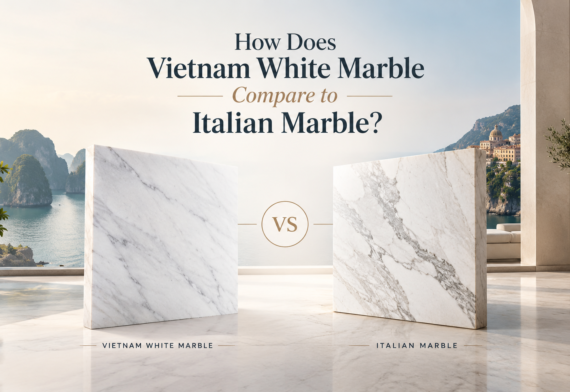
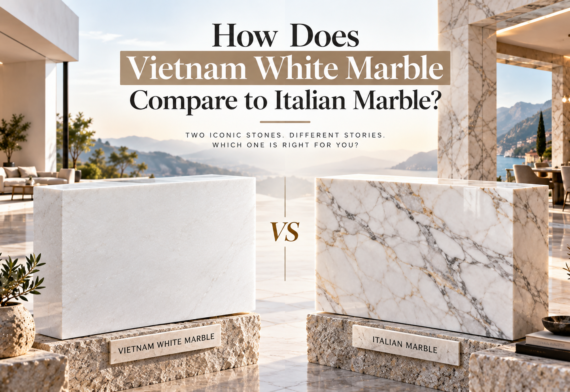
One of the first things to examine is the marble’s colour and pattern. Vietnam White Marble is often selected for its bright white background and relatively subtle natural variations, although the exact appearance can differ between varieties and individual slabs.
Inspect several slabs together to understand the consistency of the colour. Look for natural variations in shade, veins, and mineral markings. Some differences are normal because marble is a natural stone formed through geological processes.
However, do not assume that every uniformly white slab is Vietnamese marble. Other marble varieties and engineered materials can also have a similar appearance. Likewise, genuine natural marble may contain visible veins or slight colour variations.
Ask the seller to show you the actual slabs rather than relying exclusively on photographs. Lighting, image editing, and display settings can change how the stone appears in pictures.
3. Examine the Surface and Internal Structure
A closer inspection can help you assess the material’s condition and whether it appears consistent with the product being offered. Natural marble generally has mineral variations and geological features that may be visible across its surface. Manufactured imitation materials can sometimes reproduce these patterns, so visual examination should be treated as an initial check rather than definitive proof.
Examine the slab for cracks, filled areas, chips, uneven polishing, and other imperfections. These details can influence the material’s appearance, installation requirements, and overall value.
You can also inspect an exposed edge, if available, to observe the stone’s internal pattern and thickness. However, avoid relying on simple home tests involving scratching, acids, or other potentially damaging methods. Such tests may harm the marble without reliably establishing its origin.
A professional stone inspection or suitable laboratory analysis may help evaluate the material’s composition and characteristics when greater certainty is required.
4. Ask for Origin and Quality Documentation
Documentation is particularly important when purchasing imported natural stone. Request a written quotation that identifies the product, grade, dimensions, finish, quantity, and other relevant specifications. Ask the supplier what evidence is available to support the stated country of origin.
Depending on the transaction, useful records may include supplier invoices, import documentation, shipping records, and origin-related documents. Check that the information is consistent across the available paperwork.
An experienced vietnam white marble manufacturer or authorized exporter should be able to explain the product specifications and clarify what documentation can be provided. Remember that a product description or invoice alone is not always conclusive proof of geological origin, so supporting records and independent verification may be necessary for high-value purchases.
If the marble is intended for a large residential or commercial project, request a sample and compare it with the full slabs before approving the order.
5. Choose a Reliable Marble Supplier
The supplier you choose can make a significant difference to the purchasing experience. A reliable business should communicate clearly about the stone’s origin, available grades, surface finish, pricing, delivery arrangements, and maintenance requirements.
Working with an established vietnam white marble supplier in india may make it easier to inspect material locally and discuss project-specific requirements. Ask questions about slab selection, consistency between batches, replacement policies, and the handling of damaged material during transportation.
If you are comparing businesses in Kishangarh, researching the Top 10 marble company in kishangarh can help you create an initial shortlist. Evaluate each business based on its product range, transparency, experience, and willingness to provide relevant documentation rather than relying solely on advertising claims.
For larger or direct-import purchases, you can also ask a vietnam white marble exporter india about the sourcing process, product specifications, and available shipment records. Always compare the documentation with the actual material being supplied.
6. Conclusion
Identifying real Vietnam White Marble requires more than checking whether the slab looks white. Colour, natural patterns, surface quality, and internal structure can help you assess the stone, but they cannot independently confirm its origin.
The most reliable approach is to inspect the actual material, request appropriate documentation, compare the supplied product with the stated specifications, and seek professional verification when necessary. Taking these precautions can help you make a more confident purchase and reduce the risk of paying a premium for incorrectly described marble.
Frequently Asked Questions
1. Can I identify Vietnam White Marble by its colour alone?
No. A bright white appearance can be a useful visual clue, but several marble varieties and engineered materials can look similar. Documentation and professional verification provide stronger evidence of origin.
2. Does genuine Vietnam White Marble always have a uniform white background?
No. Natural variations in shade, mineral composition, and pattern can occur between slabs. The appearance depends on the specific variety and the stone block from which it was cut.
3. What documents should I request when buying Vietnam White Marble?
Ask for a detailed invoice or quotation, product specifications, and available origin-related records. For imported material, relevant shipping and import documents may also help support the stated origin.
4. Can a simple water or acid test prove that marble is genuine?
No. Simple home tests cannot reliably establish the marble’s country of origin. Acidic substances may damage the surface, so avoid potentially destructive testing and consult a qualified stone professional if necessary.
5. How can I avoid buying incorrectly labelled marble?
Inspect the actual slabs, compare the material with the written specifications, verify the supplier’s credibility, and request supporting origin documentation. For high-value orders, consider independent professional verification before finalizing the purchase.